
What Is Consistency?
Consistency is one of the most important foundations for a successful school year, both at home and in the classroom. When parents and schools reinforce the same values and expectations, children develop positive behaviors, self-discipline, and independence. Working together creates an environment where children can thrive emotionally, academically, and socially.
Consistency means following through with what we say we are going to do. This gives our words credibility and teaches children that expectations and consequences can be trusted. While it can be difficult, especially when we are tired or overwhelmed, giving in after repeated crying, arguing, or complaining can teach children that persistence will eventually change our minds. Steady follow-through helps children understand boundaries and predictability.
Why Consistency Matters
Consistency establishes clear boundaries and expectations, giving children a sense of security. When children know what to expect, they feel more confident and are better able to navigate their environment. Inconsistent responses can create confusion and anxiety.
Start routines early! Consistent daily routines benefit both children and adults by reducing power struggles and helping children develop healthy habits around school drop-off, activities, meals, and bedtime. Routines also teach children to anticipate enjoyable activities while understanding that some responsibilities may not be their favorite but are still necessary.
Change and disruption are unavoidable, but consistent routines, expectations, and responses give children a strong foundation for adapting. Flexibility is important, but it should not undermine consistency. Rules may sometimes need to be adjusted, but those exceptions should be chosen carefully.
When expectations and consequences are clear and consistent, children learn that their choices have predictable outcomes. Over time, this reinforces positive behavior and helps children develop self-discipline and accountability—important life skills.
Let Your Actions Do the Talking
Make sure your child understands expectations ahead of time, then follow through when those expectations are not met. Avoid multiple reminders, repeated warnings, or lengthy discussions. Instead, calmly and consistently enforce the predetermined consequence, just as we do at school. When our actions match our words, our expectations have greater meaning and credibility.
How Consistency Looks in a Montessori Classroom
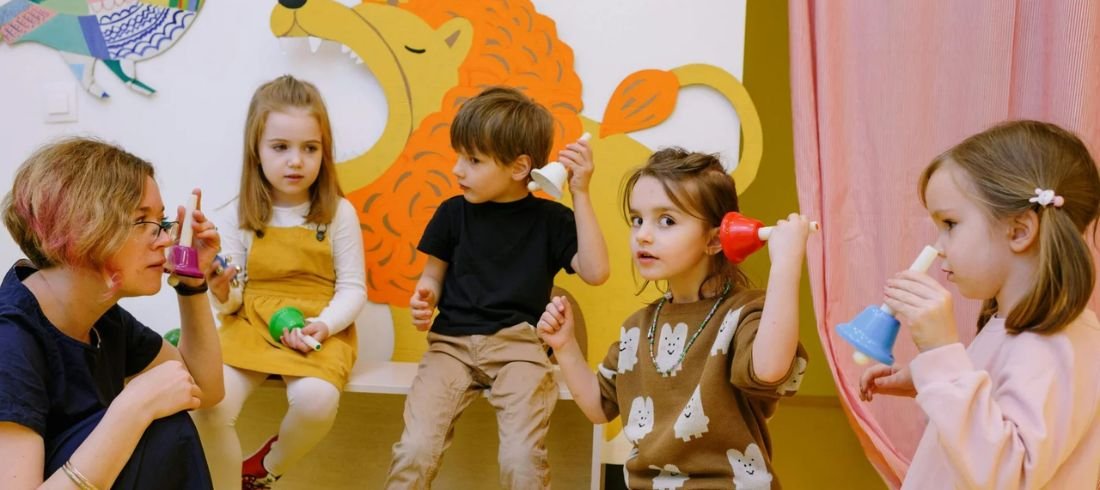
In a Montessori classroom, consistency is created through predictable routines, clear expectations, and consistent responses to behavior. Teachers use schedules, transition cues, and common classroom directions so students know what to expect throughout the day. This allows students to spend less energy figuring out what comes next and more energy focused on learning.
Students practice morning greetings, speaking softly, hand-raising procedures, clean-up routines, and consistent transitions. These routines help students understand what is expected and make the day more manageable by reducing uncertainty and easing transitions.
Teachers establish a small number of clear, positively stated classroom guidelines and respond consistently to both appropriate and inappropriate behaviors. Predictable responses help students feel secure and cooperate more readily with better learning outcomes.